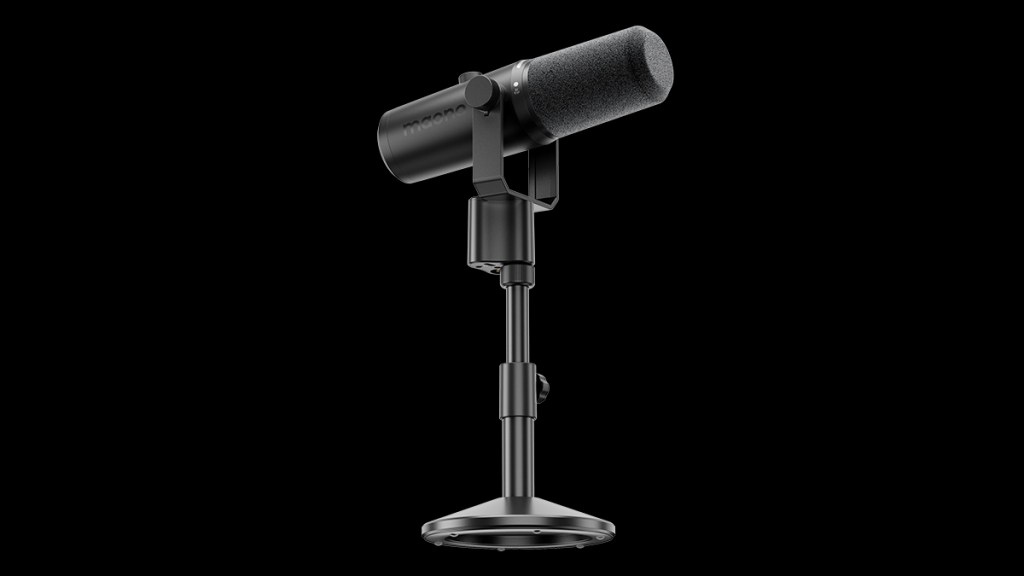
The Maono PD500W immediately got my attention with the number of ways it can capture audio. Alongside USB-C and XLR, it supports 2.4GHz wireless and internal recording. After testing it for three weeks across Windows 11 and mobile, here is my review.
Premium and practical
Out of the box, the zinc-alloy microphone feels suitably premium, while the supplied desk stand – if you get the bundle – is heavy enough to remain stable. The stand worked well during testing, although I would eventually add a boom arm for more flexibility. Low-profile boom arms remain my personal favorite and complement the low-key nature of this wireless mic.
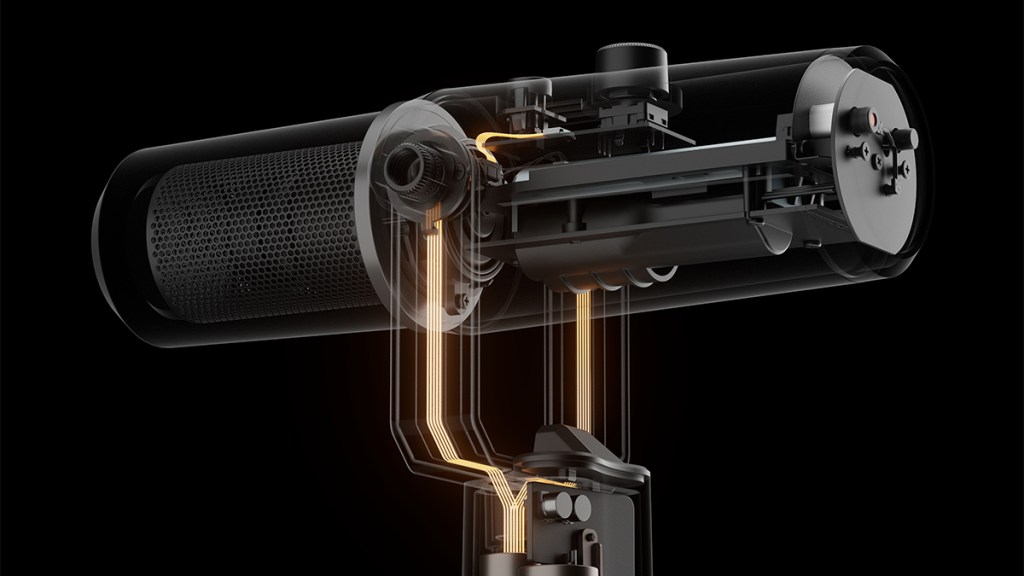
For those who opt for a wired connection, cable management is impressive. Hidden wiring and a separate rear hub keep USB-C, XLR, and headphone cables out of the way.
A clean sound
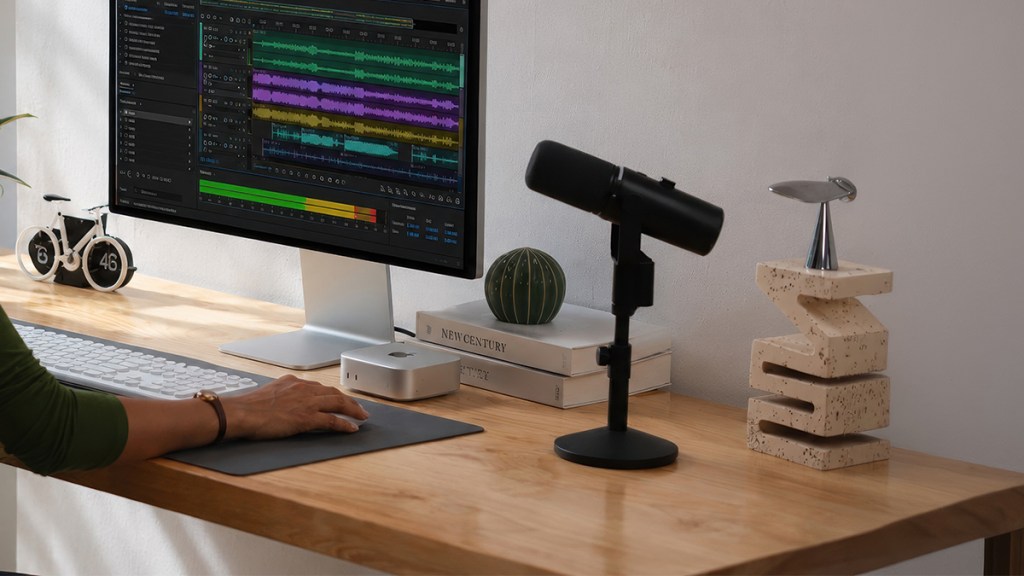
I used the PD500W for Discord calls and voice-over clips. Its stock sound is good enough that I didn’t immediately reach for the EQ settings. A particular highlight of the stock sound is the upper-end presence boost, which helped my deeper voice sound clean and immediate. The catch here is that anyone sensitive to sibilance may want to apply a little de-essing or alter their mic technique a little.
The windscreen handles plosives well, while the cardioid pickup pattern and close-talking design did a good job of keeping keyboard, fan, and room noise down.
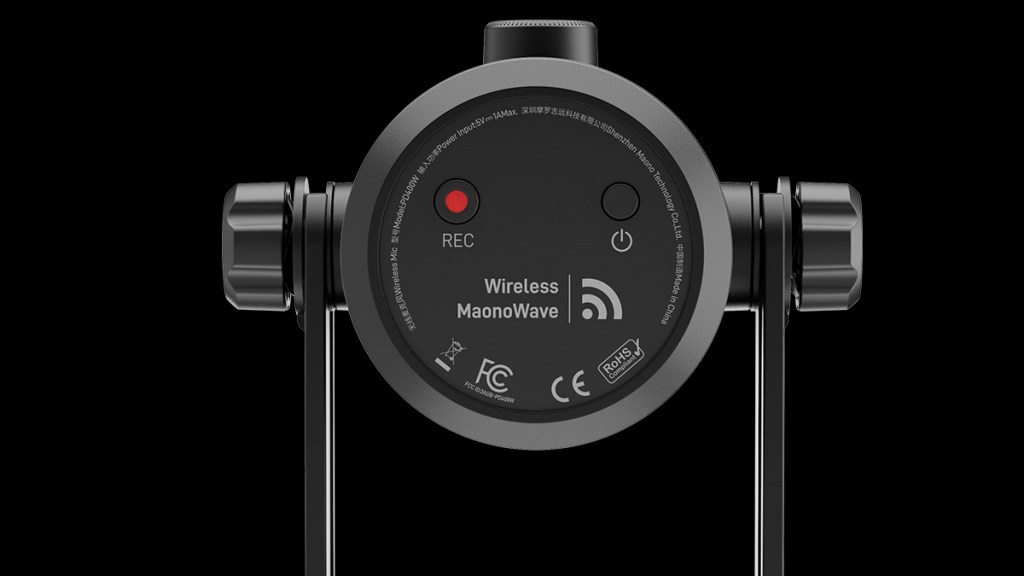
Wireless performance was reliable throughout my testing, with none of the obstruction issues that affected my PD200W experience. Wireless and USB also sounded very similar. However, I would still choose USB for critical live work or when the battery runs low. And then there’s XLR, which provides a conventional unprocessed route into an audio interface, for those who still own additional gear. (My GoXLR accepted the PD500W with no issues.)
It’s worth noting that my review sample lacked the internal air-cushion shock isolation planned for retail units, but desk knocks and typing still caused no major problems. Retail units should improve this further.
Back it up
The 32 GB of internal storage is one of the best, more interesting features. It can record simultaneously alongside wireless, USB, or XLR. That 32 GB can hold around 45 hours of 32-bit float audio or 55 hours at 24-bit.
Maono rates the PD500W for up to 60 hours of battery life with the RGB lighting switched off. I’m pretty happy with that battery life stat as it makes it more than viable for on-the-go podcasting without constant battery anxiety nagging in the back of my mind.
A USB-C phone receiver is included, and wired headphone monitoring proved clean and responsive.
Additional features like advanced camera routing and timecode require the separately sold Multi-Function Receiver, so you’ll want to factor that into your budget if those are deal-breakers.
The beta version of the MaonoLink app ran reliably for me on Windows 11. While the stock sound makes plug-and-play use perfectly viable, having access to presets, a ten-band EQ, noise reduction, de-esser, compressor, limiter and electronic pop filter is excellent for those looking to fine-tune.
Disclosure: Review sample provided by Maono.
Final Verdict
Starting at $389, the Maono PD500W is expensive, and desk-bound creators can get excellent results from a cheaper USB/XLR microphone. However, its premium sound, dependable wireless connection, internal backup recording and broad connectivity make it a superb all-in-one tool for creators moving between computers, phones, cameras, and studio equipment.
Positives and Negatives
-
Excellent sound across every connection
-
Reliable wireless with consistent audio quality
-
Four flexible recording and connection modes
-
Built-in 32-bit float backup recording
-
Premium zinc-alloy construction and design
-
Neat hidden cable management system
-
Strong battery life throughout testing
-
Extensive sound customisation through MaonoLink
-
Stable desk stand included in the bundle
-
Expensive for desk-only creators
-
Camera receiver costs extra