NVIDIA’s latest innovation, DLSS 5, has sparked intense debate in the gaming community. While the technology promises to revolutionize graphics with photorealistic lighting, critics argue it compromises artistic vision. Addressing the backlash, NVIDIA CEO Jensen Huang is addressing concerns that DLSS 5 makes games look like “AI slop“.
NVIDIA CEO Jensen Hunag on AI slop amid DLSS 5 criticism
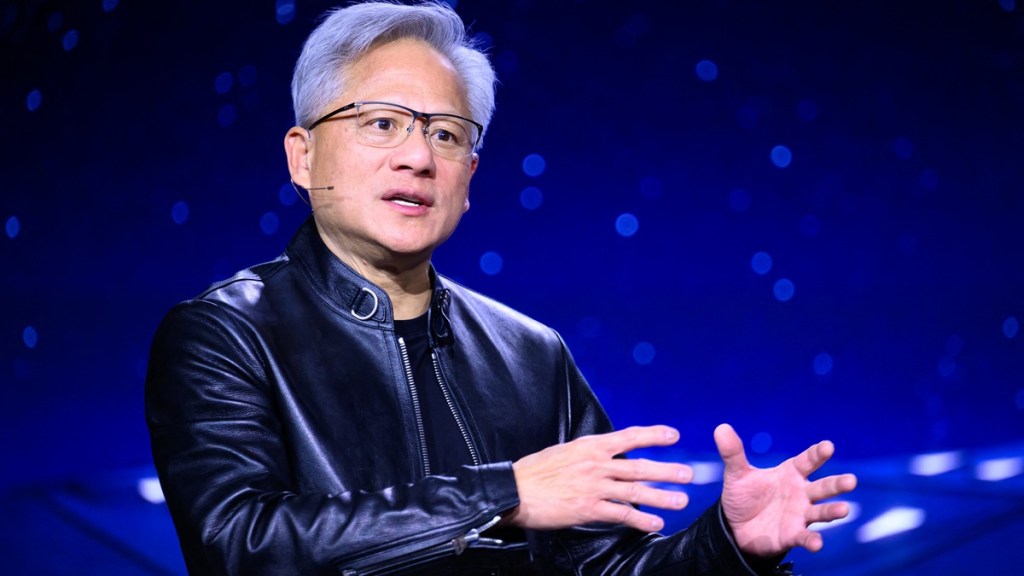
NVIDIA CEO Jensen Huang is tackling the criticism surrounding DLSS 5 head-on, with some gamers accusing the tech of producing “AI slop”.
DLSS 5, unveiled at GTC 2026, uses real-time neural rendering for photoreal lighting and materials. However, while NVIDIA saw this as a breakthrough, a vocal chunk of the gaming community saw a red flag. Gamers and developers hit back on social media, criticizing DLSS 5 for altering games’ art direction in unintended ways.
On the Lex Fridman Podcast, NVIDIA CEO Huang empathized with critics of DLSS 5, saying, “I don’t love AI slop myself.” He acknowledged the frustration, showing he is tuned in, but pushed back on misconceptions about how DLSS 5 works.
While Jensen Huang saw the backlash as a sign of gamers’ keen eye for authenticity, he believed they had misinterpreted DLSS 5’s role. Defending the tech, he argued that it doesn’t override artists’ work, but rather enhances it using the game’s existing 3D data.
Huang further emphasized that DLSS 5 preserves the original game geometry and structure, staying true to the artists’ intent. The system works with existing textures and allows developers to control enhancements.
Additionally, NVIDIA had proactively addressed concerns, stating DLSS 5 is not a filter and developers retain full artistic control over its effects.
DLSS 5 launches this fall, with support from major game studios including Bethesda, CAPCOM, and Ubisoft.
As the debate rages on, Huang remains steadfast, touting DLSS 5 as a revolutionary leap for gaming. He calls it a “GPT moment for graphics”, using generative AI to bring blockbuster-level realism to games.
Originally reported by Sibanee Gogoi on Mandatory.