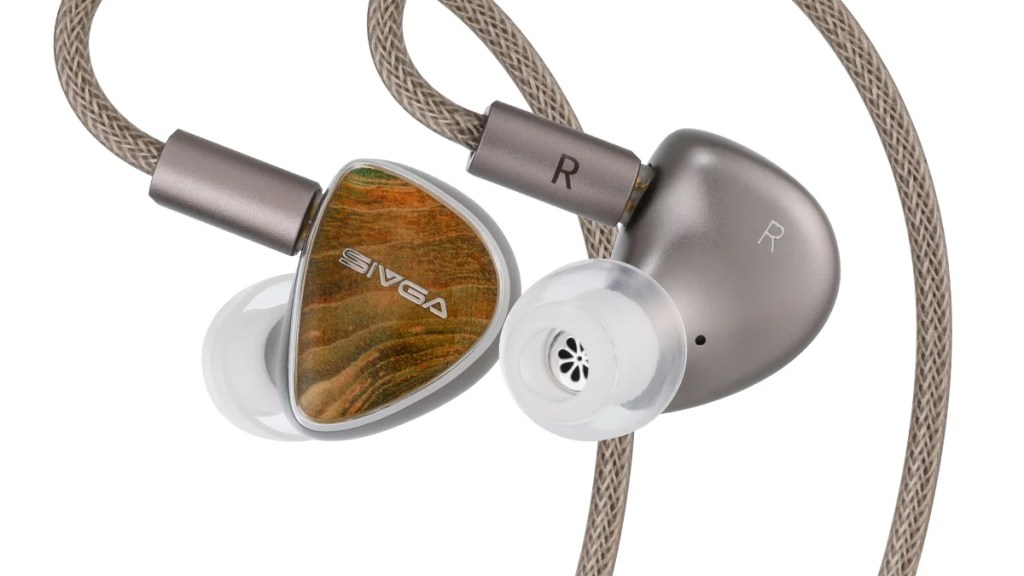
The SIVGA Lyrebird takes an ambitious approach, combining four different types of driver inside each earphone. That might sound like a recipe for a disjointed mess, but everything works together remarkably well. After using the Lyrebird at home, while travelling, and for gaming, here is my review.
A lot going on
The Lyrebird combines a 10 mm dynamic driver with a balanced armature, micro planar driver, and 9.2 mm piezoelectric ceramic driver. Put simply, different parts handle the bass, vocals, and higher frequencies. It might sound like marketing nonsense, but the proof is in the sound, which we’ll get on to shortly.
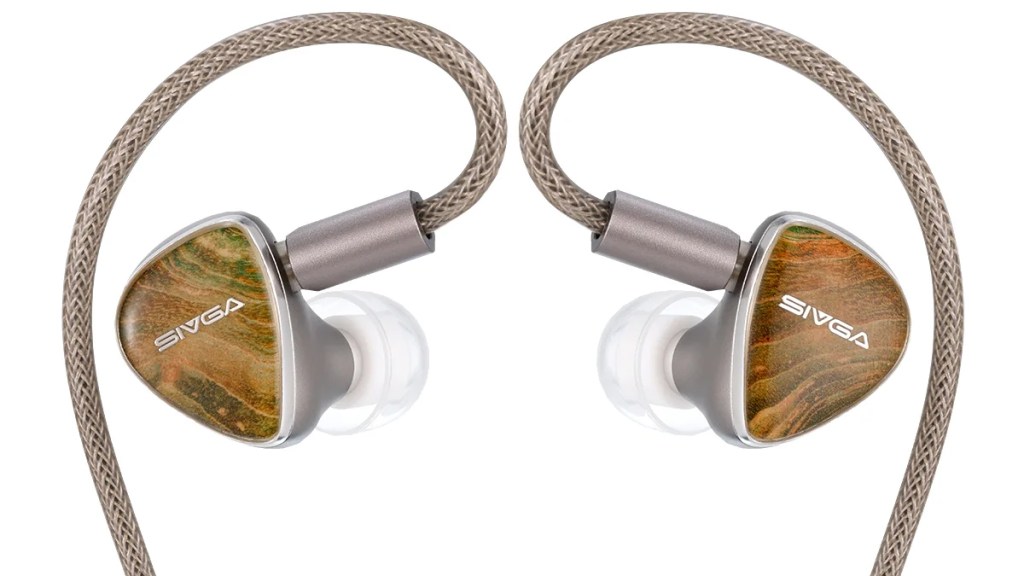
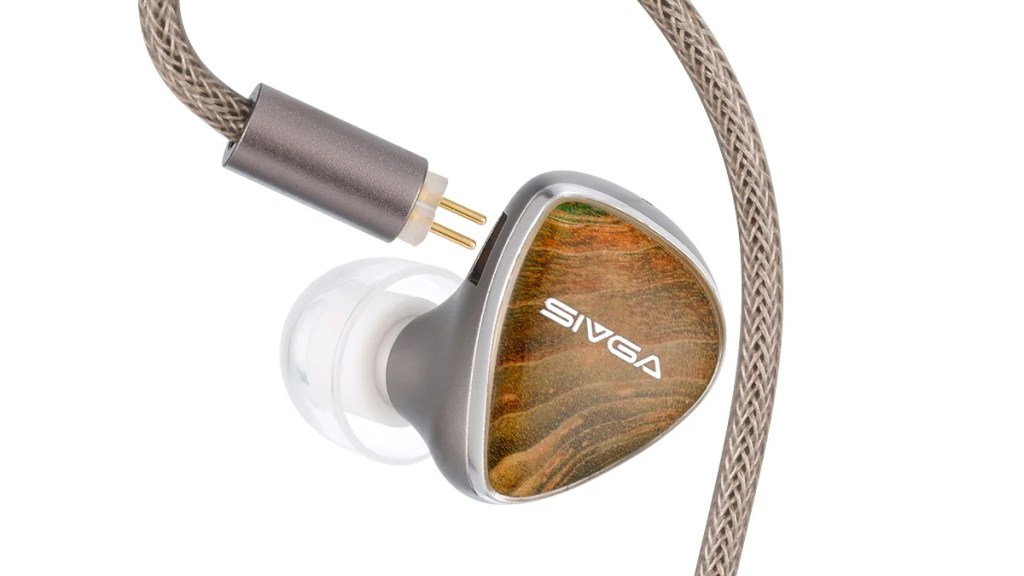
Wood plays a big part in the design. Each earphone combines a unique stabilised wood faceplate with an aluminium housing. The finish is superb and feels suitably premium. SIVGA really does shine in this respect, whether it’s with IEMs or headphones.
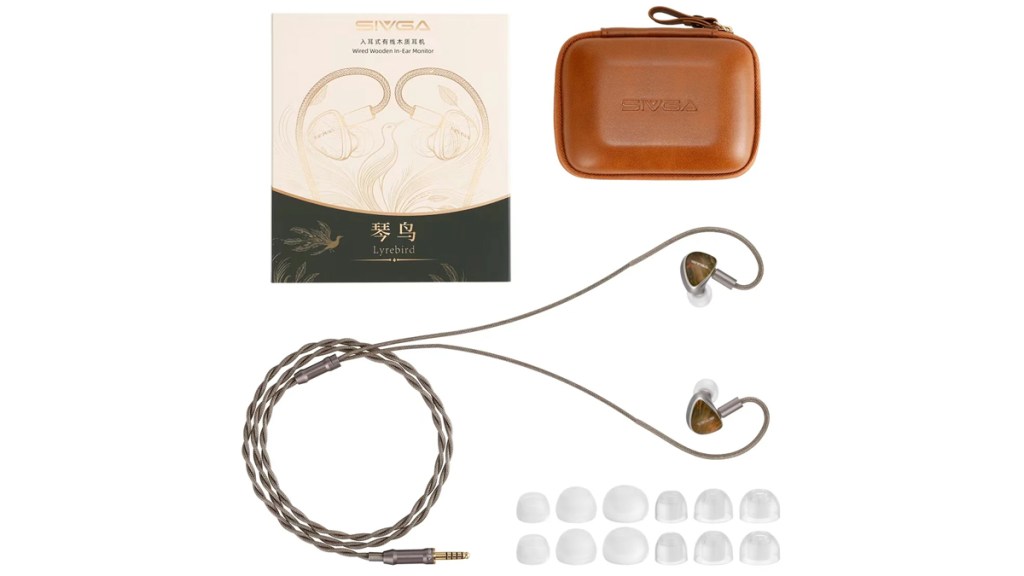
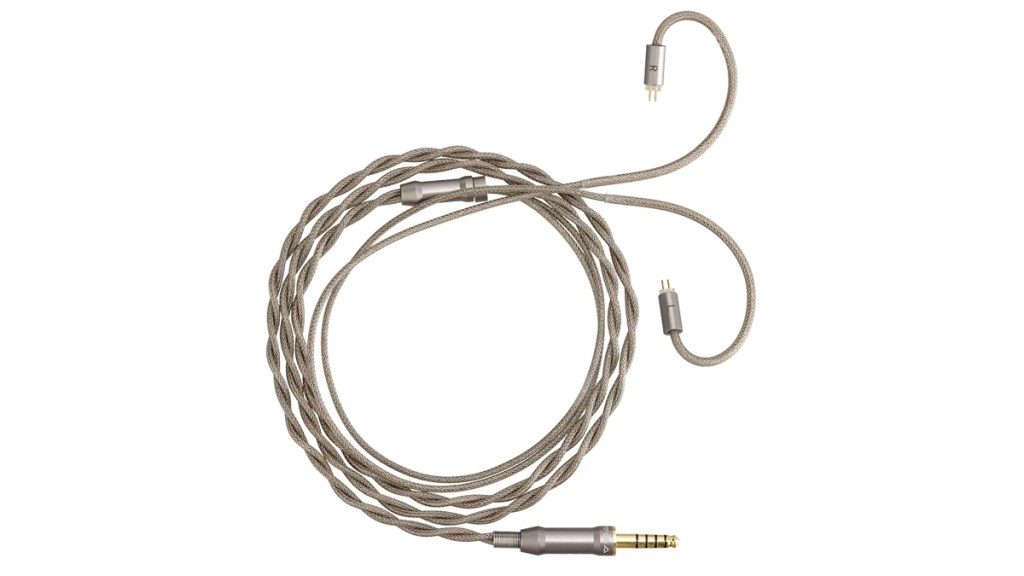
Inside the box is a leather carry case, seven pairs of ear tips, and a detachable cable with 2-pin connections for each IEM. It’s worth noting that the cable ends in a 4.4 mm balanced plug, so those hoping for a 3.5 mm connection will need to buy an appropriate adapter. For testing, I paired the Lyrebird with the iFi GO link 2 Max, connecting directly through its balanced 4.4 mm output.
Letting everything breathe
Once I had achieved a good seal, the four drivers worked together without anything sounding out of place. Separation is the biggest strength. I use the AirPods 4 at the gym, where busy tracks can become mushed together. Returning to the Lyrebird makes the difference pretty damn jarring, as individual instruments are much easier to follow.
The currently trending “Rein Me In” by Sam Fender and Olivia Dean demonstrated this nicely, with both vocals remaining distinct from the backing instruments. Happily, this clarity isn’t achieved by aggressively boosting the treble. I’m sensitive to harsh higher frequencies, but experienced no unpleasant sharpness across longer listening sessions.
The soundstage is also wide for an IEM. In Call of Duty and Apex Legends, I had no trouble following footsteps or working out where nearby gunfire was coming from. With IEMs becoming more and more popular for gaming, it’s good to know that the Lyrebird satisfies in this department.
Comfort is another win. My longest session was a three-hour train journey, and I arrived without any discomfort. Passive isolation worked well and I didn’t notice distracting cable noise when walking.
The weak spots
Getting the correct seal is essential, as the bass drops away immediately if an earphone shifts out of position. Vocals can also sound a touch thin, though I’m really nitpicking there.
“Faint” by Linkin Park exposed a more obvious weakness. The Lyrebird’s smooth presentation doesn’t give dense Noughties metal quite enough aggression or impact. It still sounds perfectly good, but this isn’t where it shines.
The 4.4 mm-only cable also limits compatibility, while the lack of a microphone means multiplayer gamers will need a separate solution.
Disclosure: Review sample provided by SIVGA.
Final Verdict
At its $149 launch price, the SIVGA Lyrebird delivers excellent separation, smooth treble, and impressive comfort. Its four-driver setup works remarkably well, especially with pop, acoustic, and country music. The seal-sensitive bass, softer performance with metal, and restrictive cable prevent it from being an obvious choice for everyone, but this remains another interesting and well-executed SIVGA IEM.
Positives and Negatives
-
Excellent separation between busy instruments
-
Smooth treble without harshness
-
Wide soundstage for an IEM
-
Comfortable throughout extended listening sessions
-
Premium wood and aluminium construction
-
Strong positional audio for gaming
-
4.4 mm connection limits compatibility
-
Less convincing with heavier music